All Groups

Groups are the highest level of the archival hierarchy and encompass all records collected and managed by this archive. Within Groups are Collections, which contain records created or collected in relation to a specific person, organization, or event, and Projects, which contain records organized around a particular research topic, space, or subject.

기록물 군은 본 아카이브가 수집·관리하는 모든 기록물을 포괄하는 최상위 계층이다. 특정 인물, 단체 또는 사건을 중심으로 생산·수집된 기록물의 집합인 컬렉션(Collections)과 특정 연구, 공간 또는 주제를 중심으로 구성된 기록물의 집합인 프로젝트(Projects)로 이루어져 있다.
Collections

  • RHEEM Daul Digital Collection

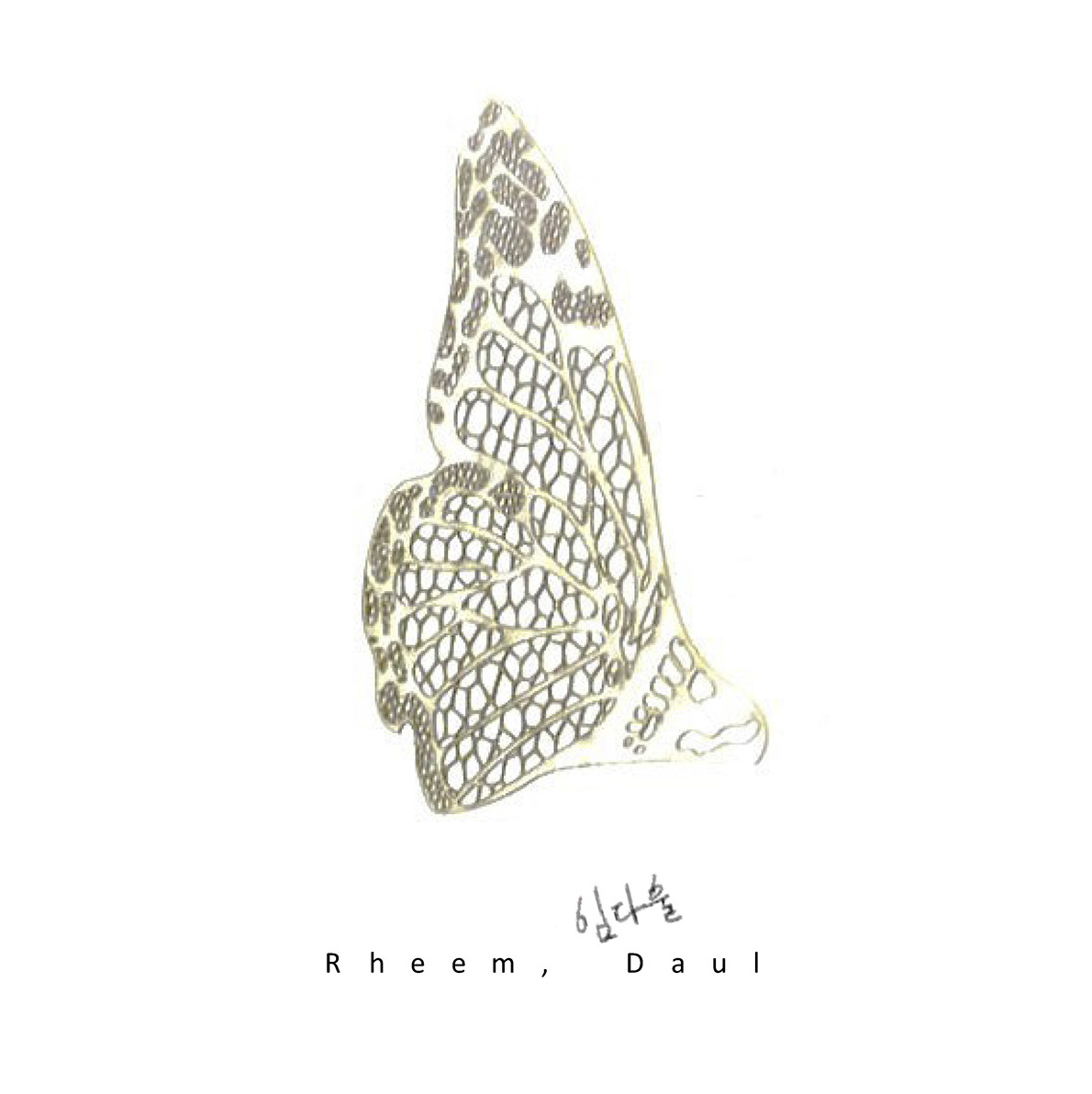
    The RHEEM Daul Digital Collection consists of approximately 170 digital records produced over a span of ten years, from 2017 to 2026, by visual artist Daul RHEEM and his surrounding collaborators. Through this collection, viewers may explore a wide range of records generated through his artistic practice—including solo exhibitions, group exhibitions, and academic exhibitions—as well as activities related to curatorial work, collectives, criticism, and personal endeavors. In particular, the collection provides a detailed view of records surrounding his representative Metal Frames Series, documenting how the same work took on different arrangements and configurations across exhibitions, while also revealing the relationships between the institutions and fellow cultural producers who participated in his creative process. In addition, since its initial establishment in February 2026, the collection has continued to expand through the ongoing acquisition and integration of records newly produced by the artist.


Projects

  • The Galhyeon-ro 45-gil 2 House Archive

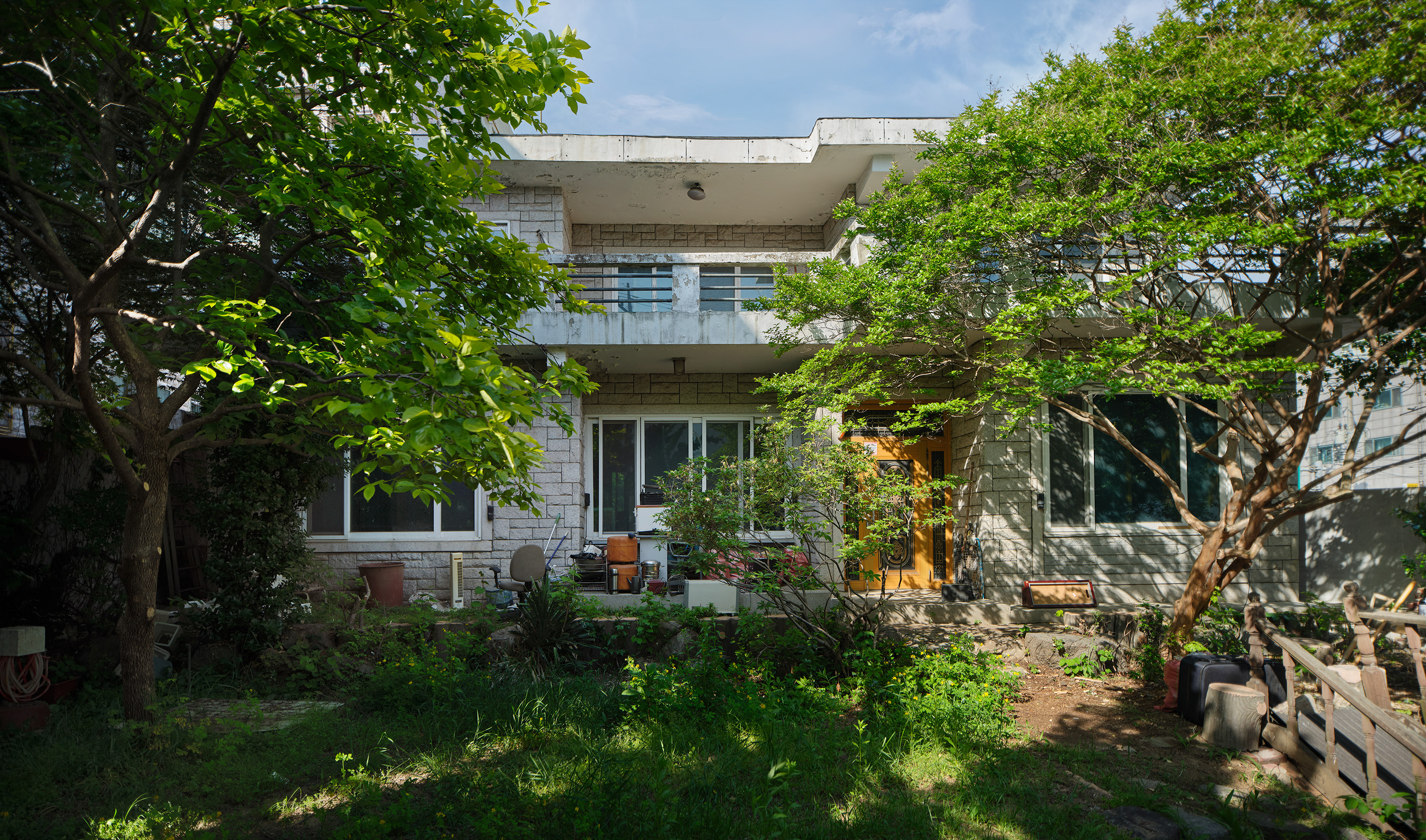
    The Galhyeon-ro 45-gil 2 House Archive is a project documenting the history and memories of a house located in Eunpyeong-gu, Seoul, conducted from January to August 2026. This house, where artist Shin min kyoung’s maternal grandfather once resided, had stood in Eunpyeong-gu since 1970. After 2020, its use was changed to a neighborhood living facility, and it remained vacant for several years. Archivist Oh Eojin worked alongside those preparing exhibitions in the space, caring for and organizing the house while collecting traces and records of everyday life left behind within it. The project further traces the memories of people connected to former resident Jo Hak-je and examines the aging space and objects left behind after the site had fallen out of use, allowing viewers to observe the past ways of living and the transformations of the space over time.